Kratom in Thailand – A Cultural Botanical with a Growing Global Presence
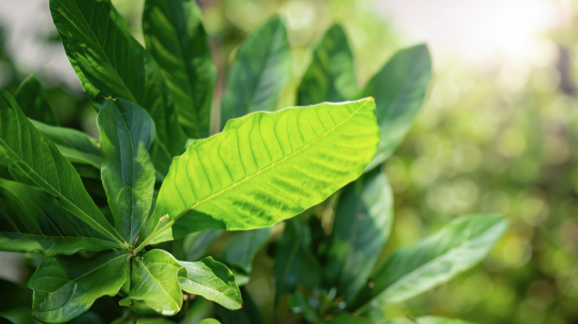
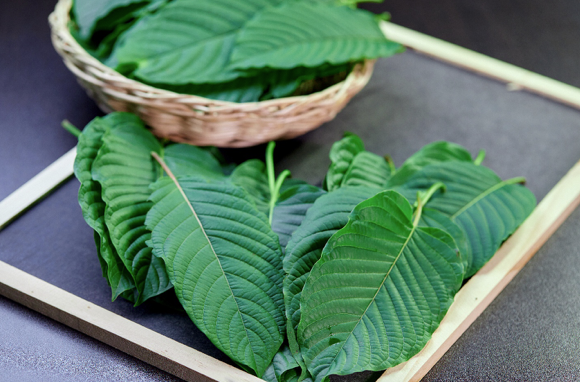
Kratom (Mitragyna speciosa) is a native plant of Southeast Asia, long recognized for its unique properties
and cultural significance. In Thailand, kratom has been part of local life for generations, especially in rural
communities where the leaves were traditionally chewed or brewed into tea to support energy, endurance,
and overall well-being. Today, as interest in natural botanicals grows globally, kratom is experiencing a renewed
spotlight in both Thailand and international wellness markets.
A Long History Rooted in Thai Culture
For decades, kratom played an important role in the daily routines of laborers in southern Thailand, who used the
plant to help maintain stamina during long hours of physical work. It was also incorporated into folk herbal
practices as a natural remedy for fatigue and discomfort. Despite its long history, kratom faced legal restrictions
for many years. However, in 2021, Thailand officially decriminalized kratom, recognizing its cultural relevance and
potential economic value. The modern regulatory framework now focuses on responsible use, quality control,
and lawful distribution.
Active Compounds and How They Work
Kratom contains more than 40 alkaloids, with mitragynine and 7-hydroxymitragynine (7-HMG) being the most studied.
These compounds interact with receptors in the body linked to mood, energy, and relaxation. Emerging research
suggests that different strains and dosages may produce varying effects—some more stimulating and others more calming.
While scientific understanding is evolving, the discussion remains centered on balanced, responsible use and the
need for continued research.
Modern Uses and Market Trends
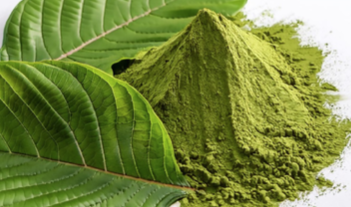
Today, kratom is available in multiple forms beyond traditional leaves, including powders, capsules, standardized
extracts, and ready-to-drink beverages. As consumer demand shifts toward clean-label and plant-based wellness products,
there is an increasing emphasis on quality standards. Many reputable suppliers now provide Certificates of Analysis
(COAs) to verify purity, alkaloid content, and safety. This rise in quality assurance is especially important as
Thailand positions itself as a potential leader in kratom cultivation and export, aligning with the global trend
toward botanical-based functional products.
Kratom is also being explored in modern herbal blends, energy formulas, and wellness beverages—reflecting its growing
presence in both domestic and international markets. With its long cultural heritage and Thailand’s favorable climate
for cultivation, the plant is becoming an emerging agricultural opportunity.
Safety, Responsibility, and Regulation
Even with its increasing popularity, responsible consumption remains essential. Consumers are encouraged to use
kratom mindfully, follow proper dosage guidelines, and choose products from trusted sources that conduct thorough
testing. Thailand’s current legal framework emphasizes safety, transparency, and regulated distribution to ensure
both consumer protection and sustainable development of the industry.
A Botanical Heritage with a Growing Future
Kratom holds an important place in Thailand’s botanical heritage, bridging traditional knowledge and modern wellness
trends. As research progresses and regulations evolve, understanding kratom with respect and responsibility will be
essential. With its deep cultural roots and expanding global interest, kratom stands as a significant plant in
Thailand’s natural health landscape and future herbal innovation.