
As more consumers shift toward natural energy supplements, the wellness market is expanding to include botanicals that offer a plant-based alternative to traditional stimulants. People today are looking for clean-label energizers that fit into balanced, holistic lifestyles—moving beyond heavy caffeine intake and toward herbs, adaptogens, and nootropic blends. Within this growing movement, kratom has emerged as a botanical of interest, particularly among individuals seeking natural vitality products. While kratom has a long traditional history, modern wellness communities are now exploring how it fits into the broader “natural energy” category.
Understanding Kratom’s Role in the Natural Energy Segment
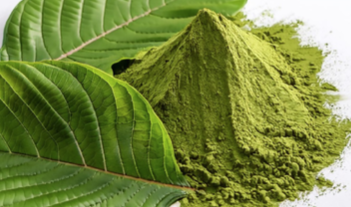
Kratom (Mitragyna speciosa) is a tropical tree native to Southeast Asia, traditionally used by local communities in Thailand, Indonesia, and Malaysia. It has been part of rural culture for generations, especially among those who worked labor-intensive jobs. While experiences vary widely, some users report that certain kratom strains—typically those associated with lighter or more uplifting profiles—are perceived as more suitable for daytime or productivity-related purposes. This perception is often linked to alkaloids such as mitragynine, which are naturally present in kratom leaves.
This long cultural background contributes to kratom’s place in today’s natural energy landscape, though its effects can differ significantly between individuals, and expectations should remain neutral and well-informed.
Consumer Trends Driving Interest
The rise of kratom in the wellness market is closely tied to larger shifts in consumer preferences. Many people are searching for:
- Plant-based energizers
- Clean-label botanicals
- Alternatives to caffeine-heavy products
- Holistic vitality formulas
Trends such as adaptogens, nootropics, and herbal blends have boosted interest in botanicals that support focus, motivation, and overall wellness—positioning kratom alongside ingredients like ginseng, guayusa, maca, and green tea extract in the public eye.
How Kratom Compares with Other Natural Energy Botanicals
In the natural wellness space, kratom is often discussed in the same category as other energy-supporting herbs. Unlike stimulants such as yerba maté or guayusa, kratom’s positioning is more nuanced because it is traditionally used in multiple ways depending on strain and dosage. Consumers tend to view kratom as part of a broader portfolio of herbal vitality products, though perceptions may vary across cultures and markets.
Common Product Formats in the Energy Category
Kratom appears in several product types that align well with modern supplement trends, including:
- Capsules
- Powders
- Standardized extracts
- Energy blends
- Ready-to-mix beverages
These formats mirror those used for other natural energy supplements, making kratom more accessible to a wide range of consumers.
Safety, Responsible Use & Transparency
As with any botanical supplement, quality and transparency are essential. Reputable brands prioritize:
- COA (Certificate of Analysis) testing
- GMP-compliant manufacturing
- Clear sourcing information
- Avoidance of adulterants or contaminants
Consumers are also encouraged to follow responsible-use guidelines and avoid combining kratom with other substances.
Regulatory Considerations
Kratom’s legal status varies by region, and regulations continue to evolve. Individuals should stay informed about local laws before purchasing or using kratom products.
Conclusion
Kratom is increasingly recognized within the natural energy supplements category due to its cultural history, consumer interest in plant-based energizers, and its presence in modern herbal formulations. As the wellness market grows, informed decision-making, high-quality sourcing, and transparency will remain essential for anyone exploring kratom and other clean-label botanicals.