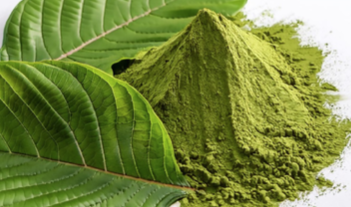


Kratom (Mitragyna speciosa) is a tropical plant native to Southeast Asia, traditionally used in countries like Thailand, Malaysia, and Indonesia. In recent years, it has gained global attention among wellness communities and herbal supplement users. While kratom is a natural botanical, responsible use and consumer education remain essential, as improper consumption may be associated with unwanted side effects. Understanding product quality, dosage awareness, and safe usage habits can help individuals make informed decisions.
Potential Side Effects of Misuse
Although people use kratom for various wellness-related reasons, misuse or excessive consumption may be associated with side effects. These experiences vary based on strain, product type, individual tolerance, and quantity used.
Commonly reported effects of improper or high-dose consumption include:
- Nausea or digestive discomfort — some users report that stronger or concentrated extracts may cause stomach upset if used excessively.
- Drowsiness or overstimulation — depending on strain and dosage, kratom may feel either calming or energizing, and taking too much may lead to an uncomfortable imbalance.
- Tolerance buildup — frequent heavy use may reduce perceived effects over time, leading some individuals to increase intake unnecessarily.
- Interactions with other substances — combining kratom with alcohol, stimulants, or unverified supplements may increase safety risks.
These observations are not guaranteed outcomes but are frequently mentioned in consumer discussions, surveys, and general herbal literature.
Risk Factors That May Increase Side Effects
Certain behaviors may elevate the likelihood of negative experiences:
- Using high doses or consuming frequently throughout the day
- Purchasing unregulated products without lab testing
- Combining kratom with alcohol, caffeine, medications, or other botanicals
- Lack of awareness about alkaloid concentration or extract potency
Because kratom products vary widely in strength, users often benefit from gradual, mindful evaluation rather than frequent high-intensity use.
How to Use Kratom Responsibly
Responsible use is centered on awareness, moderation, and product safety. General guidance includes:
- Start low and assess how your body responds before increasing quantity
- Choose products with traceable sourcing and verified COA testing
- Begin with single-ingredient products before trying blends or fortified extracts
- Take breaks rather than consuming heavily every day
These guidelines support safe exploration without offering dosage advice or medical instruction.
Quality, Safety & Testing Standards
Not all kratom products are produced under equal standards. Reputable brands typically:
- Manufacture in GMP-certified facilities
- Test for purity, alkaloid levels, heavy metals, pesticides, and adulterants
- Provide transparency on origin, strain, and processing methods
Choosing well-reviewed, lab-tested products reduces the risk of contamination or inaccurately labeled potency.
Legal & Regulatory Considerations
Kratom laws vary widely across countries, states, and provinces. Some regions allow regulated sale, others restrict distribution, and policies continue evolving. Consumers should stay informed about local regulations and compliance requirements, especially when purchasing online or traveling.
Conclusion
Kratom holds cultural roots in Southeast Asia and remains an important botanical in modern herbal marketplaces. While many individuals explore kratom for wellness-related purposes, responsible consumption, product testing, and ongoing education are key to reducing risks and supporting safe experiences. By prioritizing transparency, moderation, and informed decision-making, consumers can approach kratom with greater confidence and respect.