

Understanding the Science Behind Kratom’s Natural Power
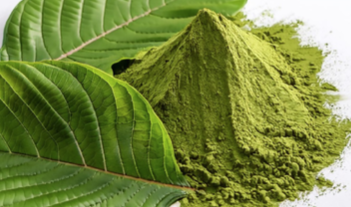
Kratom (Mitragyna speciosa), a tropical plant native to Southeast Asia, has long been used in traditional wellness practices for promoting balance, vitality, and relaxation. In recent years, modern science has turned its focus toward understanding how Kratom works — especially through its two most significant alkaloids: Mitragynine and 7-Hydroxymitragynine (7-HMG).
These compounds are central to Kratom’s unique effects, yet they are often misunderstood. This article explores what current scientific studies reveal about their function, interaction with the body, and considerations for safe use.
1. Understanding Kratom’s Active Compounds
Kratom leaves contain more than 40 bioactive alkaloids, but Mitragynine and 7-Hydroxymitragynine (7-HMG) are the most researched.
- Mitragynine is the most abundant, known for its mildly stimulating and mood-balancing effects at lower doses.
- 7-HMG, though present in smaller amounts, is significantly more potent in how it interacts with specific receptors.
These alkaloids influence several pathways in the body, including adrenergic, serotonin, and opioid-related receptors, which help explain Kratom’s reported ability to promote calmness or focus depending on the dose and strain.
2. What Science Reveals About Function
Emerging research suggests that Mitragynine may help support mental clarity, focus, and mood balance, while 7-HMG contributes more to relaxation and relief from stress at higher doses.
Preclinical and human studies have indicated that Kratom’s effects depend heavily on dosage and preparation method — highlighting the importance of standardization and responsible use.
While the science continues to evolve, these findings suggest that Kratom’s unique alkaloid profile offers functional potential when formulated safely and used in moderation.
3. What Science Reveals About Safety
Safety is an important consideration for any botanical ingredient. Studies indicate that Kratom’s impact is dose-dependent — small amounts may promote alertness, while excessive or unregulated use could lead to unwanted side effects.
Modern quality control, purity testing, and accurate labeling are helping ensure safer consumer experiences. Regulatory discussions and scientific transparency continue to improve understanding and set clearer standards for Kratom products in the wellness market.
4. Industry Insight for OEM Manufacturers
For supplement brands and OEM manufacturers, understanding Kratom’s active compounds supports responsible innovation. Developing standardized extracts, verifying alkaloid content, and adhering to scientific validation can help build trust and expand opportunities in the growing herbal wellness category.
Combining Kratom with complementary botanicals may also enhance balance and efficacy while maintaining compliance.
Conclusion
Mitragynine and 7-Hydroxymitragynine are key to understanding Kratom’s natural effects and diverse benefits. As research expands, so does the potential for responsibly formulated Kratom supplements — from capsules and powders to functional gummies.
With transparency, science-based education, and responsible manufacturing, Kratom can continue evolving as a trusted botanical for modern wellness.