Standardized Kratom Extracts vs. Raw Leaf: A Science-Based Comparison
As interest in botanical wellness continues to grow, kratom has become one of the most discussed
natural ingredients in the herbal supplement market.
Today, consumers typically encounter kratom in two primary forms:
raw kratom leaf and standardized kratom extracts.
While both originate from the same plant, they differ significantly in composition,
processing methods, and consumer perception.
This article provides an educational, science-based comparison of these two formats
without promoting any specific use.
What Is Raw Kratom Leaf?
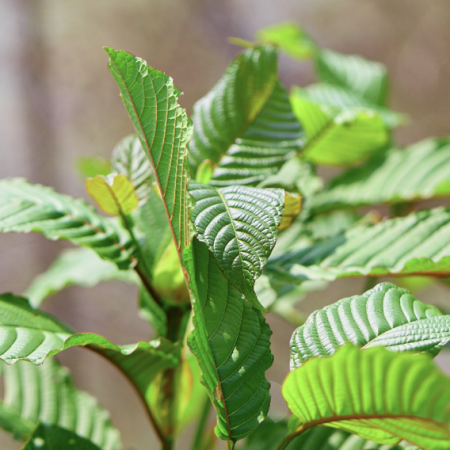
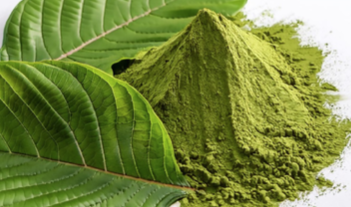
Raw kratom leaf refers to the dried and powdered form of kratom leaves,
traditionally used in Southeast Asia for generations.
The leaf naturally contains a wide range of alkaloids,
and its chemical composition can vary considerably depending on factors such as:
- Geographic origin
- Soil composition and climate conditions
- Harvest timing and leaf maturity
- Drying and fermentation techniques
Because these environmental variables influence alkaloid content,
raw kratom leaf is known for its natural variability.
Many consumers value this format for its minimal processing
and close alignment with traditional botanical practices.
What Are Standardized Kratom Extracts?
Standardized kratom extracts undergo additional processing to concentrate
and refine naturally occurring plant compounds.
Manufacturers typically use controlled extraction techniques such as
hot water extraction, solvent-free concentration,
or purification processes to isolate or enhance specific alkaloids.
In this context, standardization refers to formulating extracts
to deliver consistent alkaloid levels across batches.
This reduces the natural variability found in raw leaf
and allows for more predictable profiles in finished products.
Science-Based Comparison
Alkaloid Concentration and Consistency
- Raw Kratom Leaf: Contains a broad and naturally occurring alkaloid spectrum, but with inherent variability.
- Standardized Extracts: Offer higher concentrations and more consistent alkaloid profiles.
Formulation Control
- Raw Leaf: Relies on natural composition and environmental factors.
- Extracts: Enable precise formulation for capsules, liquids, and blended products.
Product Formats
- Raw Leaf: Commonly found as powders, teas, or traditional preparations.
- Extracts: Used in capsules, tablets, liquids, and multi-ingredient formulas.
Consumer Perception
- Raw Leaf: Often perceived as traditional and natural.
- Standardized Extracts: Viewed as modern, efficient, and precise.
Market Trends and Applications
The rise of clean-label botanicals, plant-based lifestyles,
and concentrated herbal formulations has increased interest in standardized extracts,
particularly among consumers seeking consistency and compact product formats.
At the same time, raw kratom leaf continues to appeal to individuals
who value traditional preparation methods and minimal processing.
As a result, many herbal supplement brands offer both formats
to meet diverse consumer preferences.
Quality, Testing, and Safety Considerations
Regardless of format, reputable manufacturers emphasize quality and transparency through:
- Certificate of Analysis (COA) testing
- GMP-certified manufacturing practices
- Alkaloid profile verification
- Screening for contaminants and adulterants
Responsible sourcing and clear labeling remain critical components
of quality assurance in botanical supplement production.
Conclusion
Both raw kratom leaf and standardized kratom extracts play distinct roles
within today’s botanical marketplace.
Raw leaf reflects tradition and natural variability,
while standardized extracts provide precision, consistency, and formulation flexibility.
Understanding these differences allows consumers, researchers,
and product developers to make informed decisions
based on quality expectations, formulation goals,
and transparency standards.