
Kratom Capsules – A Modern Format for Today’s Natural Wellness Consumers
In recent years, kratom has gained significant attention within natural wellness communities,
particularly among consumers seeking plant-based alternatives that fit into modern, fast-paced lifestyles.
While kratom has long been consumed in traditional formats like teas or raw powder,
kratom capsules are now emerging as a dominant product format in the herbal supplement market.
Their rise reflects shifting consumer expectations around convenience, clean-label formulations,
and accessible wellness routines.
What Is Kratom? A Brief, Neutral Overview
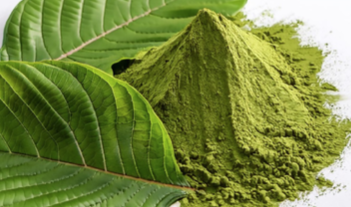
Kratom (Mitragyna speciosa) is a tropical plant native to Southeast Asia,
traditionally used in countries such as Thailand, Indonesia, and Malaysia. Historically,
kratom leaves were chewed or brewed as tea for cultural and daily-use purposes.
Today, kratom is processed into various consumer products—including powders, extracts,
and Kratom extract products—for the global natural wellness trends market.
Why Capsules Are Becoming the Preferred Format
Compared to traditional formats, kratom capsules offer several lifestyle advantages that align with modern consumer behavior:
- Convenience & portability — easy to carry and take anytime
- Taste masking — eliminates the earthy or bitter flavor of raw powder
- Consistent portions — each capsule provides standardized servings, reducing guesswork
- Discreet consumption — looks like common dietary supplements
These benefits make capsules appealing to new users who prefer familiar supplement formats
and to regular consumers who value streamlined routines.
Market Drivers & Consumer Demographics
The growing popularity of kratom capsules is also influenced by broader industry trends:
- Increased demand for plant-based and botanical supplements
- Rising interest in holistic lifestyle products
- Growth of capsule-dominant delivery systems in the supplement industry
- Expanded availability through online marketplaces and branded wellness stores
Consumers often overlap with audiences interested in natural energy support, focus, stress management,
and performance products—although brands should avoid therapeutic claims in marketing.
Quality, Testing & Responsible Sourcing
Reputable manufacturers emphasize quality, transparency, and compliance, which is increasingly important as the category matures.
Industry best practices often include:
- Third-party lab testing and COA documentation
- GMP-certified production facilities
- Clear labeling and alkaloid content verification
- Traceable sourcing from reputable Southeast Asian growers
These steps help brands build trust and differentiate responsible products from low-quality offerings.
Legal & Regulatory Considerations
Kratom’s legal status varies by country and jurisdiction. Some regions allow regulated sale, others have restrictions,
and policies may evolve over time. Consumers and brands should stay informed through official regulatory sources
rather than rely on assumptions or anecdotal information.
Looking Ahead
As the herbal supplement market continues to expand, kratom capsules are positioned to remain a mainstream format
thanks to their convenience, standardized serving sizes, and alignment with clean-label wellness trends.
While the landscape is still developing, brands that prioritize transparency and quality are likely to lead
the next phase of product evolution.